

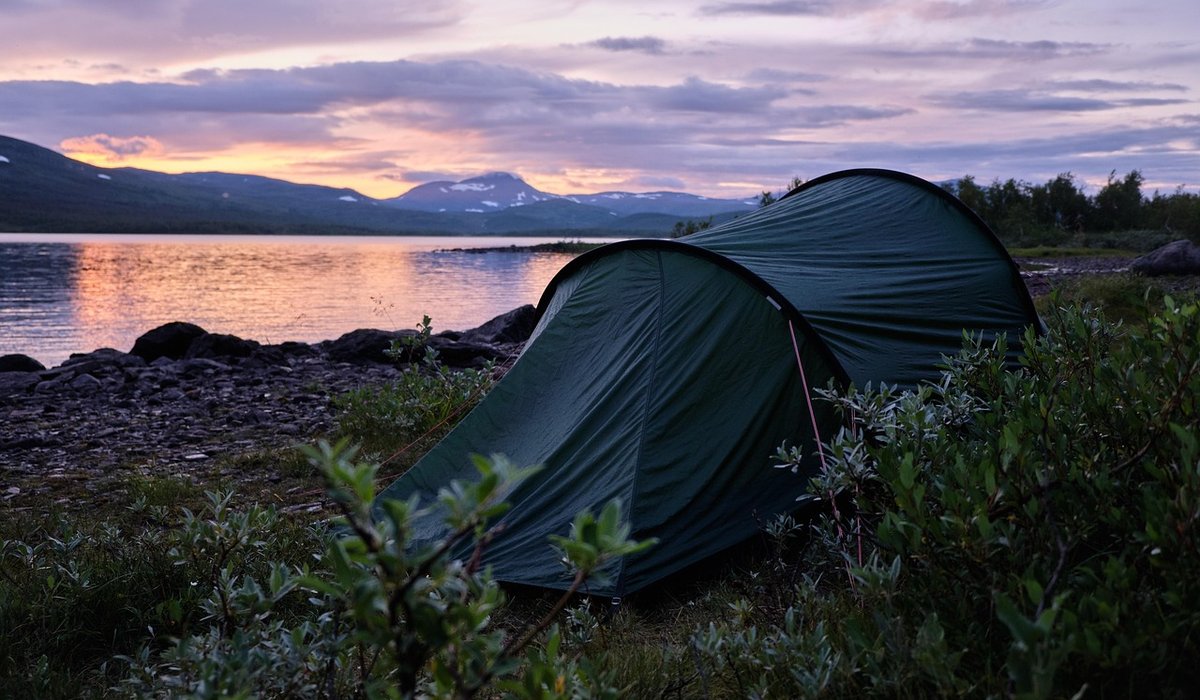
Spotting red deer and mountain hares in the hills
Why the hills keep their secrets
Britain's uplands hold some of the most rewarding wildlife encounters in the country, but nothing is handed over easily. Sight lines are long, the weather changes fast, and the animals you are looking for have evolved to notice you long before you notice them. The good news is that red deer, mountain hares and adders all follow patterns — of terrain, of time of day, of season — and once you learn those patterns, your chances improve dramatically. This is about walking with your eyes open, slowing down, and letting the hill come to you.
Red deer: the hill's biggest residents
Red deer are our largest land mammal, and the Scottish Highlands are their stronghold — Wester Ross, Torridon, the Cairngorms, the Angus Glens, and islands such as Arran, Jura and Rum. In England you will find genuinely hill-going herds in the Lake District around Martindale, with others on Exmoor and the Quantocks.
Hinds and calves tend to gather in herds on high, open grazing, often on ridges and shoulders where a fresh breeze keeps the midges down. Stags are more often apart, in small groups or alone, resting in hollows, on sheltered banks, or standing among scattered pines and tall heather. The rut runs from late September into October, and the roaring at dawn and dusk is one of the great sounds of the British hills.
- Glass every ridge and shoulder before you commit to a path — a herd 800 metres away can look like a scatter of boulders.
- Look for the pale rump patch and the horizontal back line, which betray deer against heather.
- Still, clear mornings after a frost are the best listening conditions for roaring.
Mountain hares: masters of camouflage
The mountain hare is native to Britain, smaller and rounder than the brown hare, with shorter ears tipped black. Scotland holds the bulk of them — the Cairngorms, Monadhliath, the Angus Glens, the Southern Uplands — with introduced populations in the Peak District and Snowdonia, and a native one on the Isle of Man. They live above the tree line, usually over 400 metres, in heather, moss and montane scrub.
Look for their forms: shallow, scraped hollows in the heather where a hare sits and watches. In winter they turn white, which makes them conspicuous against dark peat and heather but nearly invisible against snow. In summer they are blue-grey-brown and almost impossible to spot until they move.
- First and last light are best, though on quiet hills they will be active through the day.
- Spring brings the boxing matches — females fending off males — from roughly March to May.
- Approach along the contours rather than straight uphill, and pause often. A hare that has not seen you move will usually sit tight.
Adders: sunbathers with a serious reputation
The adder is Britain's only venomous snake and is protected by law, so it is a privilege to see one. They emerge in spring to bask on sunny mornings after cold nights, and south-facing slopes, bracken edges, rock piles, old walls and dry heath are classic spots. March and April are the best months, with a second chance in autumn.
Keep at least two metres away, never handle one, and never put your hands into crevices or under stones you cannot see beneath. Give the snake an escape route and it will take it. If someone is bitten, keep them still, remove tight items such as rings and boots, do not cut or use a tourniquet, and seek medical help promptly. Bites are rare and seldom serious for a healthy adult.
Fieldcraft: how to get close without trying
- Wind: keep the breeze in your face and approach from downwind. Deer have extraordinary noses.
- Skylines: never walk along a ridge crest silhouetted. Move just below it, using crags, boulders and walls as cover.
- Stop and scan: walk ten paces, stop, and scan slowly through binoculars. 8x42 or 10x42 is plenty for open hill.
- Patience: sit still for twenty or thirty minutes. Animals settle, then move naturally around you.
- Colours: muted greens, browns and greys blend in. Bright reds and blues stand out for miles.
Watching without causing stress
Disturbance costs animals energy, and in the uplands that energy is precious. A hare flushed repeatedly in late winter burns reserves it needs to survive. Hinds pushed off good grazing in spring may calve in poorer condition. Watching well is about keeping your distance and knowing when to walk away.
- Stay at least 100 metres from deer — more in winter and around hinds with young. Never follow a herd.
- If a hare flattens its ears and crouches, you are too close. Back off quietly.
- Keep dogs on a lead around livestock and between March and July for ground-nesting birds. Never let a dog chase anything.
- Use a long lens rather than creeping closer, and avoid flash. Never bait or feed wildlife.
- Remember access rights come with responsibilities — follow the Scottish Outdoor Access Code or the Countryside Code south of the border, close gates, and take litter home.
Walk quietly, look often, and the hills will show you far more than you expected.


Hillwalking
-
Compare down, synthetic and hybrid fills, temperature ratings and pack sizes to stay warm without carrying excessive weight.

Navigation

-

Long established fact that a reader will be distracted
-

Long established fact that a reader will be distracted
-

Long established fact that a reader will be distracted
Gear Reviews
Karla Gleichauf
12 May 2017 at 05:28 pm
On the other hand, we denounce with righteous indignation and dislike men who are so beguiled and demoralized by the charms of pleasure of the moment
M Shyamalan
12 May 2017 at 05:28 pm
On the other hand, we denounce with righteous indignation and dislike men who are so beguiled and demoralized by the charms of pleasure of the moment
Liz Montano
12 May 2017 at 05:28 pm
On the other hand, we denounce with righteous indignation and dislike men who are so beguiled and demoralized by the charms of pleasure of the moment