

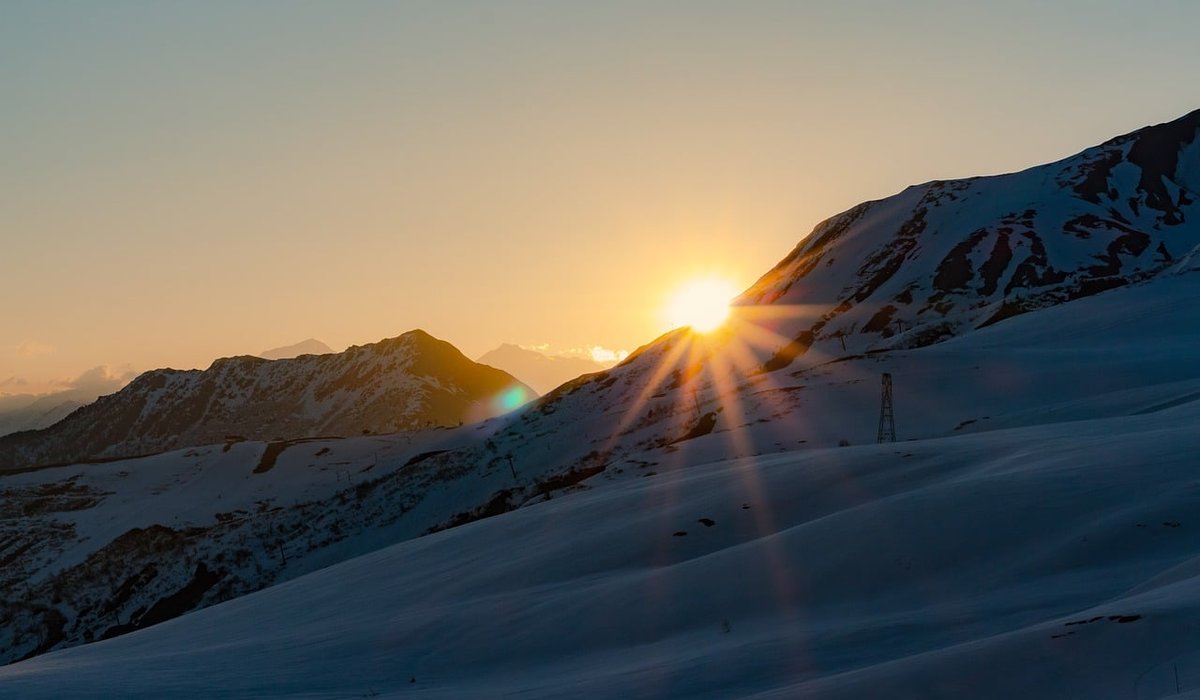
Wild camping responsibly in the Scottish Highlands
There is a particular kind of quiet that settles over a Highland glen at about ten o'clock on a June evening — the light going soft and gold, the midges finally thinning, and a whole hillside to yourself. Wild camping is the best way to meet the Scottish hills on their own terms. It is also a privilege that survives only as long as everyone who uses it treats the ground, the wildlife and the local community with care.
Know what the right to camp actually covers
Scotland's access legislation gives you the right to camp on most unenclosed land, provided you do it in small numbers, with lightweight gear, and for a night or two in one place rather than a fortnight. That is a genuine liberty, and it does not exist in the same form south of the border, so please don't arrive expecting the same rules everywhere in the UK.
The right is not absolute. Stay away from enclosed fields, private gardens, and the immediate surroundings of houses, farm buildings, roads and water intakes. Camping right beside a car park or a road bridge is legal only in the narrowest sense and irritating in every other. Some popular areas — the shores of Loch Lomond and parts of the Trossachs among them — run camping management zones with byelaws in force between roughly March and September, where a permit is required and designated pitches are the only option. Check the current position for wherever you plan to sleep before you leave home.
Pitch late, leave early
This is the single most useful habit a wild camper can develop, and it solves most problems at once. Arrive in the last hour of usable daylight, be packed and walking by breakfast.
- You are far less visible to other walkers and to landowners, which keeps tolerance high.
- You disturb less: birds and deer are settling rather than actively feeding or nesting when you arrive.
- You avoid the long, aimless evening that tempts people into fires, noise and trampled ground.
- You get a genuine sense of travelling through a landscape rather than parking in it.
Practically, that means knowing your intended area in daylight — ideally from a walk earlier in the trip — and carrying a headtorch, water and a stove so that arrival is calm. Reccy the spot on the way up and return to it if it works.
Choose ground that can take it
Highland vegetation is often older than the houses in the village below and recovers very slowly. A patch of moss or dwarf willow flattened by a tent can take years to come back, and a fire scar will outlast your grandchildren.
- Pick bare, hard ground: gravel, sand, short-cropped grass, or a patch already used by others.
- Avoid pristine moss, lichen, heather, and machair or dune grassland entirely.
- Stay at least 100 m from a road or house and well out of sight of both.
- Keep clear of loch shores and burn banks where banks are eroded and nesting birds work the water's edge.
- Don't camp in the obviously worn honey-pot spots; they are worn because everyone stops there.
Small numbers matter. Two tents tucked into a fold of hillside looks like wild camping; six tents in a ring looks like a festival and is the thing that gets access restricted.
Leave nothing, including ashes
Use a stove. Dead wood is habitat, and open fires in the Highlands scorch peat that will not recover in our lifetime. If you are determined to have flames, use a contained stove — never build a ring of stones, and never cut standing timber.
For toilet waste, walk well away from water — at least 50 m from any burn or loch — dig a hole about 15–20 cm deep, do your business, and cover it properly. Carry out the paper in a bag; don't bury it, because animals dig it up. Sanitary products and wet wipes go in the bag too, without exception. Take your water from upstream of where anyone has been, and treat it if you are unsure. Every last crumb of food, every tea bag and every bit of orange peel leaves with you. Assume the person behind you is looking for a wild place, not a well-kept campsite.
Give wildlife and livestock room
The Highlands are a working landscape, and the wildlife is not there for our convenience. Ground-nesting birds such as curlew, golden plover and dotterel breed on open ground from roughly April to July, so keep to paths across high plateaus and move on quickly if a bird is calling or feigning a broken wing. Never camp in a field holding sheep or cattle, always close gates behind you, and keep dogs on a lead around livestock and during the nesting season.
Store food inside a sealed bag away from the tent wall — pine marten, deer, foxes and mice are all opportunists — and never feed anything, however charming it looks. Check yourself for ticks each evening, particularly after walking through long grass or bracken.
Plan for weather and midges, then move on
Highland weather turns fast. Camp low and sheltered in high winds, avoid pitches beneath dead trees or in gullies, and never camp on a gravel bar or bank where a burn could rise in the night. Midges are worst in still, damp, sheltered places, so a breezy spot on dry ground costs you nothing and saves your sanity.
Finally, keep moving. Two or three nights in the same place is plenty; then shift. Wild camping survives in Scotland because it is quiet, temporary and invisible. Pitch late, leave early, take everything home, and the hills will keep welcoming you back for decades.


Hillwalking
-
Check the mountain forecast, carry extra insulation and know when to turn back if conditions worsen on exposed ridges.

Navigation



-

Long established fact that a reader will be distracted
-

Long established fact that a reader will be distracted
-

Long established fact that a reader will be distracted




Gear Reviews
Karla Gleichauf
12 May 2017 at 05:28 pm
On the other hand, we denounce with righteous indignation and dislike men who are so beguiled and demoralized by the charms of pleasure of the moment
M Shyamalan
12 May 2017 at 05:28 pm
On the other hand, we denounce with righteous indignation and dislike men who are so beguiled and demoralized by the charms of pleasure of the moment
Liz Montano
12 May 2017 at 05:28 pm
On the other hand, we denounce with righteous indignation and dislike men who are so beguiled and demoralized by the charms of pleasure of the moment